Granular activated carbon
Adsorption may be appropriate for selected PFAS and water matrices. Review breakthrough, competing constituents, changeout frequency, and spent-carbon management.
Industrial water · Emerging contaminants
A practical evaluation of treatment options, operating constraints, and residuals management—grounded in the chemistry and objectives of each project.
No universal process. No assumed performance. Start with site-specific evidence.

PFAS treatment selection depends on which compounds are present, their concentrations, the rest of the water matrix, and what the treated water must meet. Flow, available footprint, operations, and the management of spent media or concentrate also shape the decision.
Integrated Prime helps teams organize those requirements before comparing technologies or engaging potential treatment partners.
Talk through your site conditions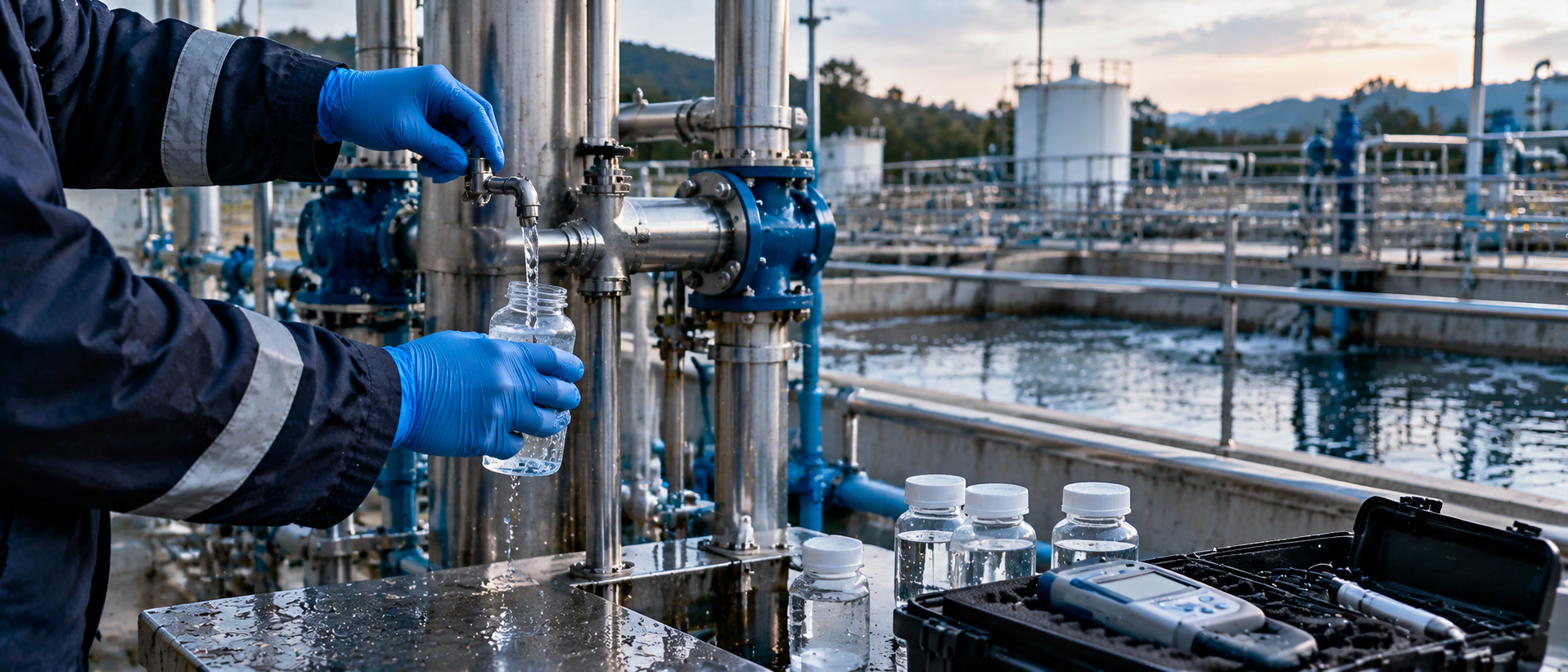
Target compounds, concentrations, competing constituents, and variability.
Flow range, uptime, footprint, utilities, and operator requirements.
Spent media, resin, or concentrate handling and applicable requirements.
These processes are not interchangeable. Suitability and expected performance must be evaluated against the target PFAS, water quality, and residuals plan.
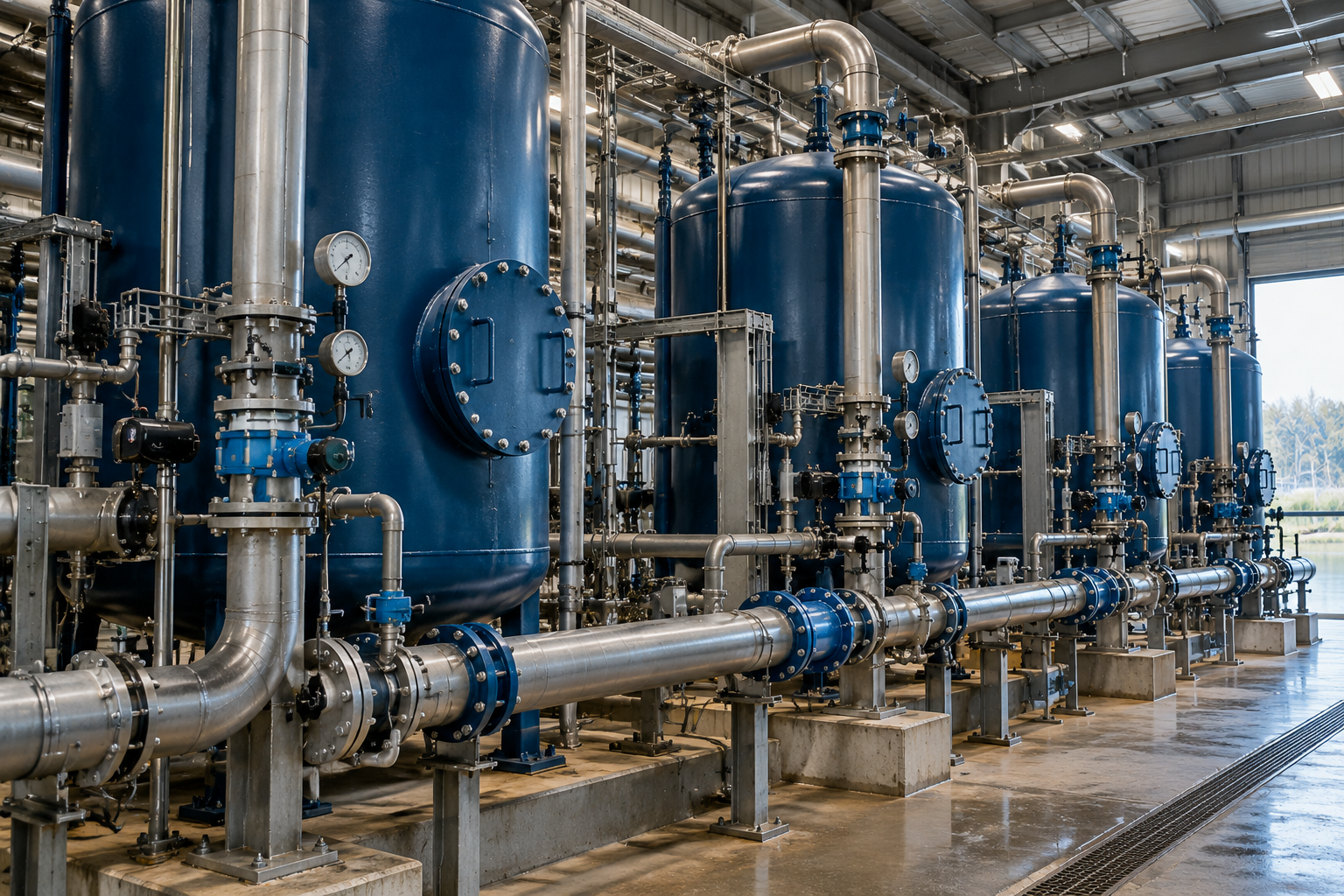
Adsorption may be appropriate for selected PFAS and water matrices. Review breakthrough, competing constituents, changeout frequency, and spent-carbon management.
Resin-based systems can offer selective treatment options. Resin choice, pretreatment, operating conditions, and spent-resin handling require evaluation.
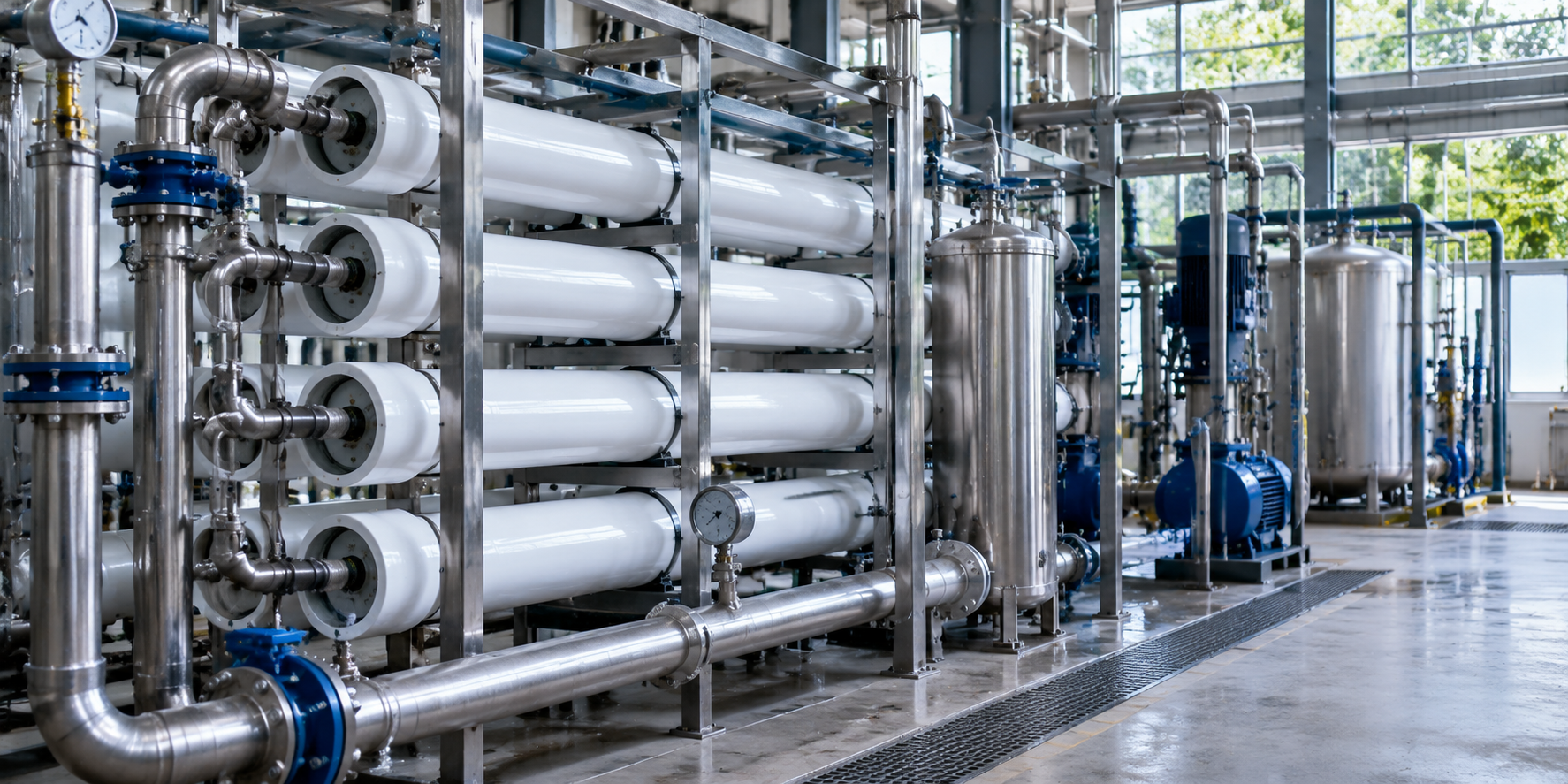
Processes such as reverse osmosis can achieve high separation for suitable applications, while producing a concentrate stream that must be managed.
The presence of a technology here is not a recommendation for a particular site. Selection requires current, application-specific data and qualified technical review.
Before a technology is advanced, define what needs to be demonstrated and how results will be measured. A disciplined evaluation can reduce uncertainty around performance, operating demands, and residuals handling.
Confirm target compounds, treated-water goals, flow, and applicable requirements.
Review supporting data, pretreatment needs, operating costs, and residual streams.
Set pilot questions, sampling points, analytical methods, and decision criteria with qualified partners.
No approved articles are published yet. New research and industry updates will appear here after source verification and editorial review.
Answers depend on site conditions, applicable requirements, and technology-specific evidence.
There is no single best method for every application. The comparison depends on the target compounds, water matrix, flow, treated-water objectives, and residuals pathway.
Many established systems separate or concentrate PFAS rather than destroy them. Any destruction claim should be supported by technology-specific evidence and appropriate verification.
A well-defined pilot may help assess performance and operational requirements. The protocol should specify objectives, sampling, analytical methods, and decision criteria.
Available water-quality data, target compounds, flow range, intended use or discharge, site constraints, and known residuals-management requirements are useful starting points.
Spent media, resin, or membrane concentrate must be characterized and managed in accordance with the process, waste profile, and applicable jurisdictional requirements.
Integrated Prime supports evaluation and connections with qualified technical partners. Engineering design, professional opinions, and certification must be provided by appropriately qualified and licensed professionals.
Start with the project requirements
Share the application, available data, and the questions you need answered. We can help frame a practical next step.